 Skip to content

As businesses prioritize sustainability, the choice of bulk cutlery—whether for restaurants, catering, or institutions—is crucial. Stainless steel and plastic offer contrasting options: stainless steel is durable, reusable, and recyclable, helping reduce long-term waste, while plastic is convenient but less sustainable.
Plastic cutlery is cost-effective and convenient for large-scale distribution, but its single-use nature and limited recyclability contribute significantly to environmental pollution. In this article, we will explore the advantages and disadvantages of both materials, helping businesses and buyers make informed, eco-friendly purchasing decisions.

Environmental Impact of Cutlery
Stainless Steel Production
Stainless steel production uses natural resources like iron ore, chromium, and nickel. Factories recycle a large portion of stainless steel, which reduces the impact on the environment. Stainless steel cutlery lasts for many years, so people do not need to replace it often.
Stainless steel factories use energy, but the process creates less waste than plastic cutlery production. Stainless steel does not release harmful chemicals during use or disposal. The environmental impact of stainless steel remains lower over its lifetime.
Plastic Cutlery Production
Plastic cutlery production relies on fossil fuels such as oil and natural gas. Factories use these resources to create plastic, which increases pollution and greenhouse gas emissions. Plastic cutlery often contains additives that can harm the environment.
Plastic cutlery production creates a lot of waste. Most plastic cutlery cannot be recycled easily, so it ends up in landfills or the ocean. The impact of plastic cutlery on the environment is severe and long-lasting.
Waste and Reusability
Stainless steel cutlery can be washed and reused thousands of times. People often keep stainless steel cutlery for decades. This reduces the amount of waste sent to landfills.
Plastic cutlery is usually single-use. After one meal, most people throw it away. This habit creates a huge impact on the environment because plastic does not break down quickly.
Stainless steel cutlery offers a much longer lifespan than plastic cutlery. The impact of using stainless steel instead of plastic cutlery is clear. Stainless steel cutlery supports a cleaner environment and reduces overall waste.
Safety and Health Considerations

Stainless Steel Safety
Stainless steel offers a high level of safety for food contact. Many people choose stainless steel because it does not react with acidic or hot foods. This material does not leach chemicals into meals, even after years of use.
Stainless steel resists corrosion and rust, which helps maintain hygiene in the kitchen. Stainless steel cutlery can be safely washed in dishwashers, making it ideal for restaurants, catering, and bulk use. Stainless steel does not absorb odors or flavors, so it keeps food tasting fresh.
Doctors and health experts often recommend stainless steel for its non-toxic qualities. Stainless steel kitchen utensils support good hygiene because they are easy to clean and sanitize. Many schools and hospitals use stainless steel cutlery for these reasons.
Plastic Cutlery Concerns
Plastic cutlery raises several health concerns. Some types of plastic cutlery can leach chemicals, especially when exposed to heat. These chemicals may include BPA or phthalates, which can affect health over time.
Plastic kitchen utensils often scratch or break, which can leave small pieces in food. This risk increases when people use plastic cutlery with hot or acidic dishes. Hygiene becomes a challenge because plastic cutlery can develop tiny cracks that trap bacteria.
Many people use plastic kitchen utensils for convenience, but there are cons to this choice. Plastic cutlery is usually single-use, so it creates more waste and increases exposure to chemicals. Choosing stainless steel instead of plastic cutlery can help protect health and improve hygiene in daily life.
Long-Term Durability
Stainless Steel Cutlery
Stainless steel cutlery shows outstanding durability in daily use. Many businesses and institutions use the same stainless steel cutlery for years because it resists bending, breaking, and rusting. This type of cutlery handles both hot and cold foods without losing strength.
People can wash stainless steel cutlery in dishwashers many times. The material does not stain or absorb odors, so it stays clean and safe. Stainless steel cutlery keeps its shine and shape even after years of use.
Stainless steel cutlery stands up to heavy use in busy kitchens. Chefs and home cooks trust its durability for every meal. This cutlery rarely needs replacement, which helps reduce waste.
Plastic Cutlery
Plastic cutlery offers much less durability than stainless steel. Many people notice that plastic cutlery bends or snaps during meals. This cutlery cannot handle tough or hot foods well.
Plastic cutlery often warps when exposed to heat. It may break into small pieces, which can cause safety concerns. Most plastic cutlery is designed for single use, so it does not last long.
Plastic cutlery creates more waste because it is discarded after a single use. Its lack of durability makes it inferior to stainless steel cutlery. Choosing stainless steel cutlery helps businesses and bulk buyers avoid the issues linked to plastic cutlery.
Cost Considerations
Upfront Cost
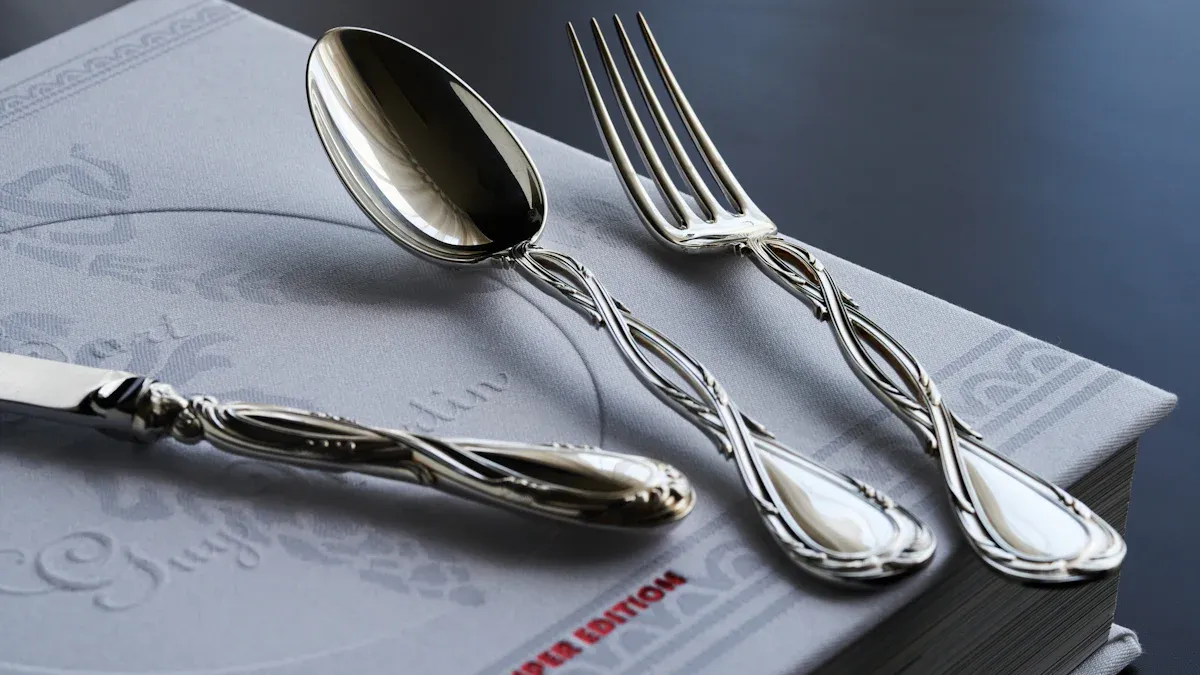
Stainless steel cutlery sets usually cost more at the time of purchase. Consumers often find that a basic stainless steel set can be several times more expensive than a pack of plastic cutlery, which often leads to choosing plastic for parties or large gatherings.
Plastic cutlery sets offer a low upfront cost. Stores sell them in bulk, and buyers can get many pieces for just a few dollars. This makes plastic cutlery seem like a budget-friendly option for short-term needs.
Long-Term Value
Stainless steel cutlery sets usually cost more at the time of purchase. Many people notice that a basic stainless steel set can be several times more expensive than a pack of plastic cutlery. This higher price often leads some to choose plastic cutlery for parties or large gatherings.
Plastic cutlery does not offer the same value. Most people throw away plastic utensils after one use. Over time, the cost of buying new plastic cutlery for every meal or event adds up.
| Factor | Stainless Steel Cutlery | Plastic Cutlery |
|---|---|---|
| Lifespan | Decades | Single-use |
| Replacement Frequency | Rare | Frequent |
| Total Cost Over Time | Low | High |
Stainless steel cutlery also reduces waste, which can lower disposal costs for businesses and institutions. Buyers who invest in stainless steel cutlery sets often find that the savings grow each year. Choosing stainless steel cutlery supports both environmental sustainability and operational budgets.
Stainless Steel vs Plastic Cutlery
Stainless steel cutlery sets offer high quality and long-lasting performance. Plastic cutlery sets often provide convenience but lack durability and quality. Stainless steel cutlery stands out for its strength, while plastic cutlery tends to break or bend easily.
| Feature | Stainless Steel Cutlery Sets | Plastic Cutlery Sets |
|---|---|---|
| Quality | High | Low to Medium |
| Durability | Excellent | Poor |
| Safety | Safe for food contact | May leach chemicals |
| Environmental Impact | Reusable, recyclable | Single-use, polluting |
| Cost | Higher upfront | Lower upfront |
| Pros | Long lifespan, safe | Lightweight, cheap |
Stainless steel cutlery sets resist rust and corrosion. Plastic cutlery sets can warp under heat and may not withstand repeated use. Stainless steel cutlery maintains quality over time, while plastic cutlery often ends up as waste.
Conclusion
For wholesale buyers, stainless steel cutlery is the smart choice for both business and the environment. Durable and reusable, it reduces long-term costs while minimizing waste, making it ideal for restaurants, catering services, and institutions.
Beyond practicality, stainless steel can be customized with logos or unique designs, helping businesses strengthen their brand and provide a premium dining experience. Plastic cutlery may be inexpensive upfront, but it cannot match stainless steel’s durability, sustainability, or professional appeal. Invest in stainless steel today for a cost-effective, eco-conscious, and brand-enhancing solution.


